Why Sleep Medications Often Disappoint in Patients on Antipsychotics
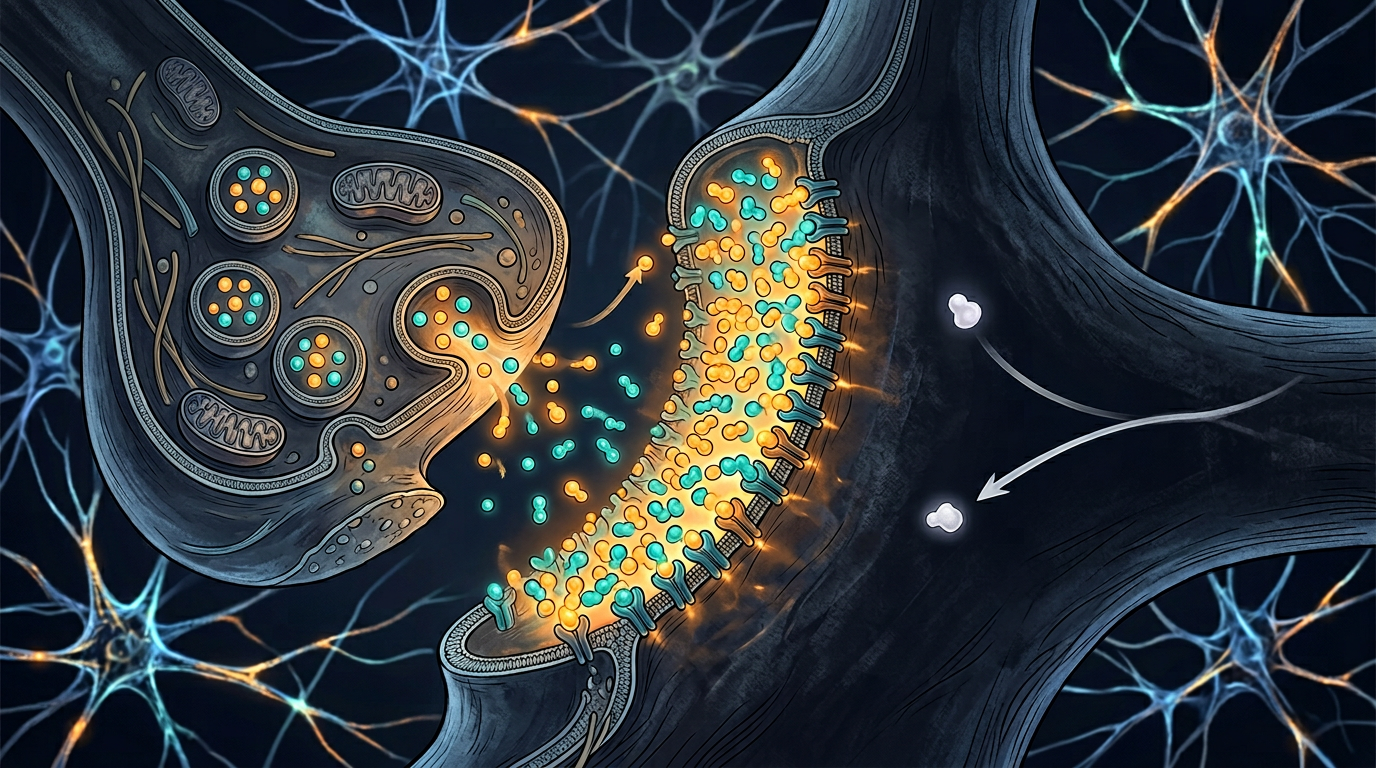
One of the most frustrating conversations in sleep medicine is when someone on long-acting antipsychotic treatment says, “Nothing works for sleep,” and they are not exaggerating. This isn't a failure of willpower; it’s often a failure of pharmacology. When your primary medications occupy the same "brain space" that sleep aids try to target, standard sleeping pills can feel completely useless.
If you're taking an antipsychotic medication, your brain is already under high-level "chemical regulation." Many common sleep aids (like Trazodone or Benadryl) try to work on the same systems that your antipsychotic is already blocking or blunting.
Because of this "pharmacologic traffic jam," you might find that:
- Standard sleeping pills have no effect at all.
- You feel exhausted during the day but still can't sleep at night.
- You experience "restless body" feelings (akathisia) that keep you awake.
The solution usually isn't "more pills," but rather a more thoughtful approach that might include CBT-I or medications that use a completely different mechanism to help you rest.
Insomnia in patients maintained on antipsychotics (e.g., Risperidone, Quetiapine, Haloperidol) presents a unique pharmacologic challenge due to receptor saturation and competition.