Delayed Sleep-Wake Phase Disorder: When Your Clock Runs Late
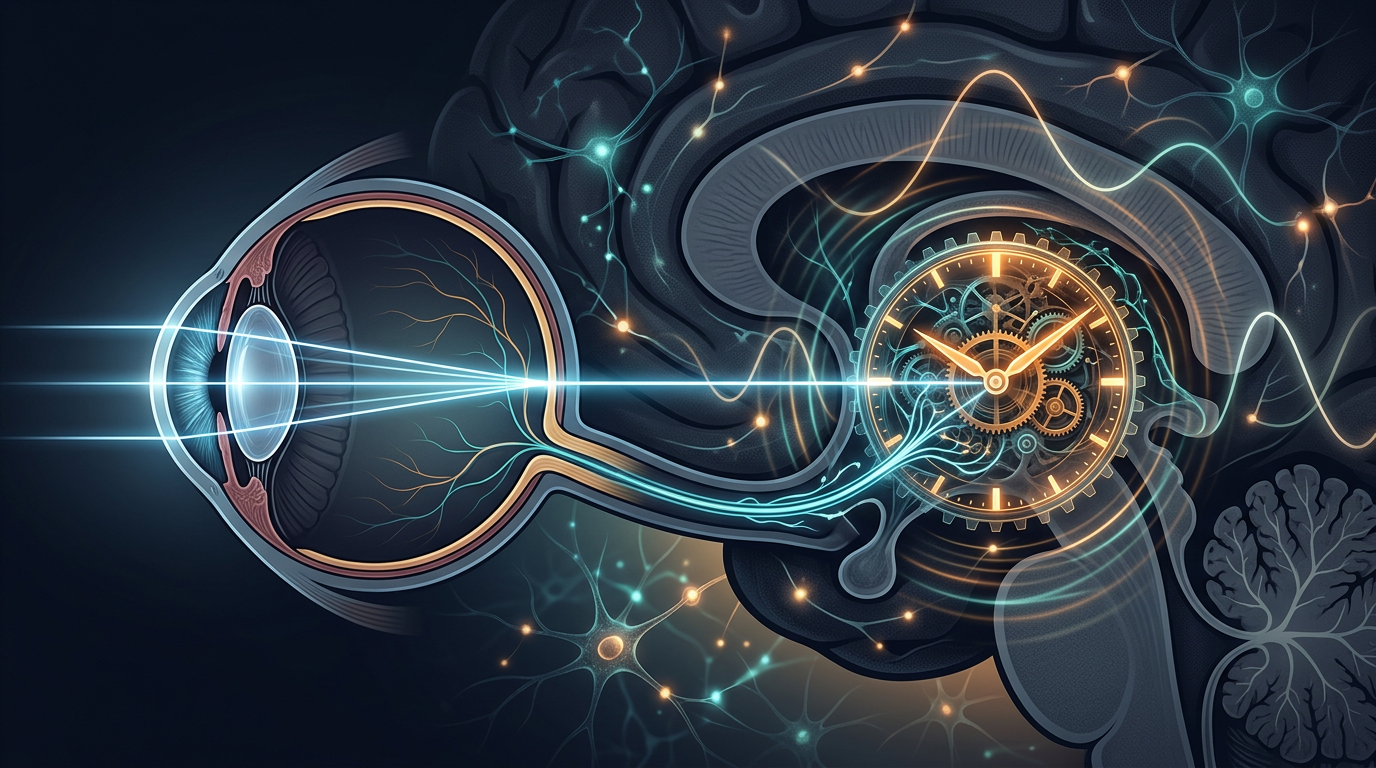
Some people do not fail at sleep—they fail at trying to sleep on someone else’s schedule. If you consistently can't fall asleep until 2:00 a.m. but feel perfectly fine if you're allowed to sleep until 10:00 a.m., you aren't "lazy" and you don't necessarily have insomnia. You likely have a circadian timing problem where your internal clock is permanently set to "Night Owl" mode.
Delayed Sleep-Wake Phase Disorder (DSWPD) is common, especially in teenagers and young adults. Your internal clock is simply shifted a few hours later than the rest of the world.
While you might sleep beautifully if left alone, the conflict arises when you have to wake up at 7:00 a.m. for work or school. You end up chronically sleep-deprived because you can't fall asleep early enough to get 7-8 hours. It’s not a lack of discipline; it’s a biological mismatch. To fix it, we don't just "try harder" to sleep; we use tools like Timed Morning Light and low-dose melatonin to gently "nudge" your clock earlier.
Delayed Sleep-Wake Phase Disorder (DSWPD) is an intrinsic circadian rhythm sleep-wake disorder characterized by a stable delay in the timing of the major sleep period relative to required or socially acceptable times.